What's your undertone? A two-minute test for Indian skin.
Three quick checks — veins, jewellery and a white cloth — to find your undertone, and exactly what it means for your foundation, lipstick and blush.
— the metabu studio
Undertone is the single most useful thing to know before buying makeup — and the most misunderstood. Surface tone is how light or deep your skin is (fair, wheatish, dusky). Undertone is the hue underneath it: warm (golden/yellow), cool (pink/blue) or neutral. Two people with the same depth can need completely different shades because their undertones differ. Here are three two-minute tests.
test 1 · the vein check
Look at the veins on the inside of your wrist in natural daylight. Green-looking veins point to a warm undertone; blue or purple points to cool. If they look a mix, or you genuinely cannot decide, you are neutral — which is the most common reading on Indian skin.
test 2 · gold or silver
Think about which metal makes your skin look healthier. Gold flatters warm undertones; silver flatters cool ones. If both look good, that is another neutral signal.
test 3 · the white cloth
Hold a pure-white cloth or paper next to your bare, clean face in daylight. Against true white, warm skin looks yellow or peachy, cool skin looks pink or rosy, and neutral skin looks balanced.
what your undertone means
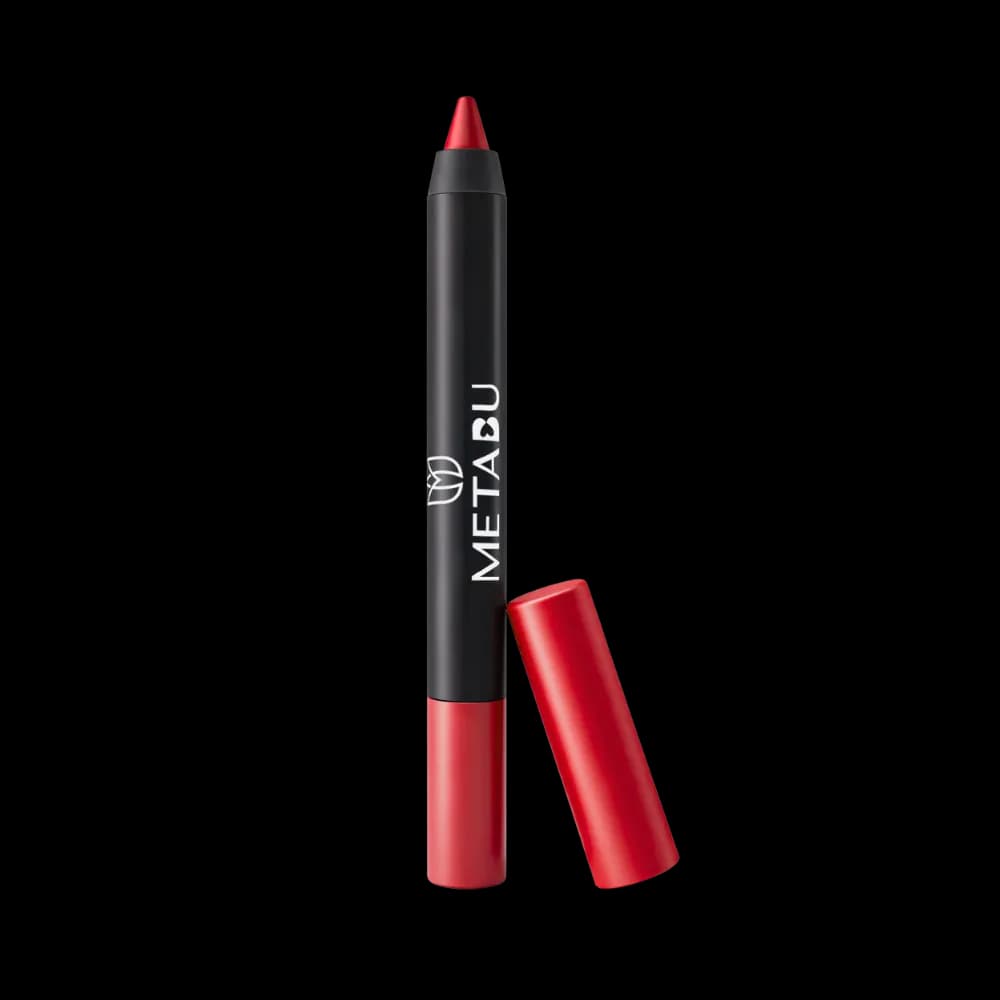
For foundation, match a shade in your undertone family at the jawline and let it sit thirty seconds before judging — foundation oxidises a touch darker. For blush, warm undertones glow in peach and coral, cool undertones in rose and berry. For lipstick, the same rule: warm leans coral and brick, cool leans berry and blue-red.
"Depth tells you how deep to go. Undertone tells you which way to lean. You need both."
Frequently asked.
What is a skin undertone?
Your undertone is the subtle hue beneath your surface skin colour — warm (golden/yellow), cool (pink/blue) or neutral. It stays the same even when a tan changes how light or deep your skin looks.
How do I find my undertone at home?
Three quick tests: check whether your wrist veins look green (warm) or blue (cool); see whether gold or silver jewellery flatters you more; and hold a white cloth to your face to see if your skin reads yellow (warm) or pink (cool).
What undertone is most common for Indian skin?
Warm and neutral undertones are most common on Indian skin, with many people also having an olive (green-tinged neutral) undertone. Pure cool undertones are less common.
Does my undertone change when I tan?
No. Tanning makes your surface depth darker, but your undertone stays the same. A practical tip: buy two adjacent foundation shades and mix them across seasons rather than re-buying.
How does undertone affect lipstick and blush?
Warm undertones suit coral, peach, brick and terracotta; cool undertones suit rose, berry, plum and blue-red. Neutral undertones can wear most shades.